
Trinity College Dublin.
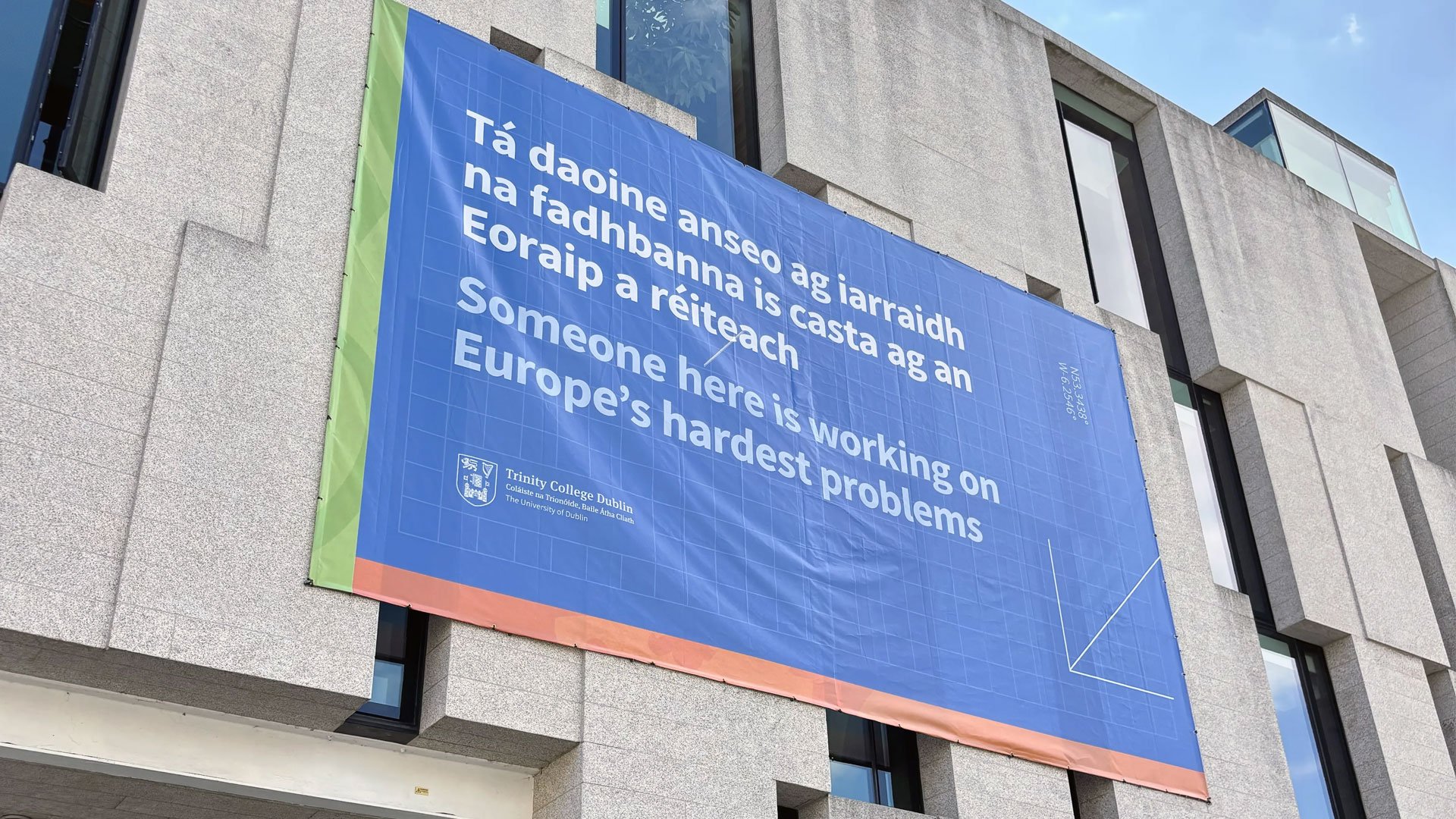
“Someone here is working on Europe's hardest problems."
The challenge
For Trinity College Dublin, the Irish Presidency of the EU is an incredible opportunity. For six months, EU Commissioners, European ministers and senior officials are coming through its campus, for working events and for tourist visits. This is all happening just as Europe shapes FP10, its next research and innovation programme, and with Ireland investing 1.2% of GDP in research and development, half the OECD average, Trinity wanted to start a conversation about research.
Trinity wanted those visitors to see that its research already serves Europe's agenda, and deserves bigger funding. But this is a political audience that is time-poor, politically sharp and on campus for the Presidency, not to read a university's case for itself. It all had to be live by mid-July, eight weeks after kick-off.
The thinking
One insight shaped the work. This audience isn't here to learn. They're here to solve. Everyone walking through Front Square is carrying a file, from AI regulation to maritime security, and Trinity researchers are already working on most of them.
That gave us the line: Someone here is working on Europe's hardest problems. It means a Trinity researcher. It also means the minister reading it, which puts them on the same side without saying so.
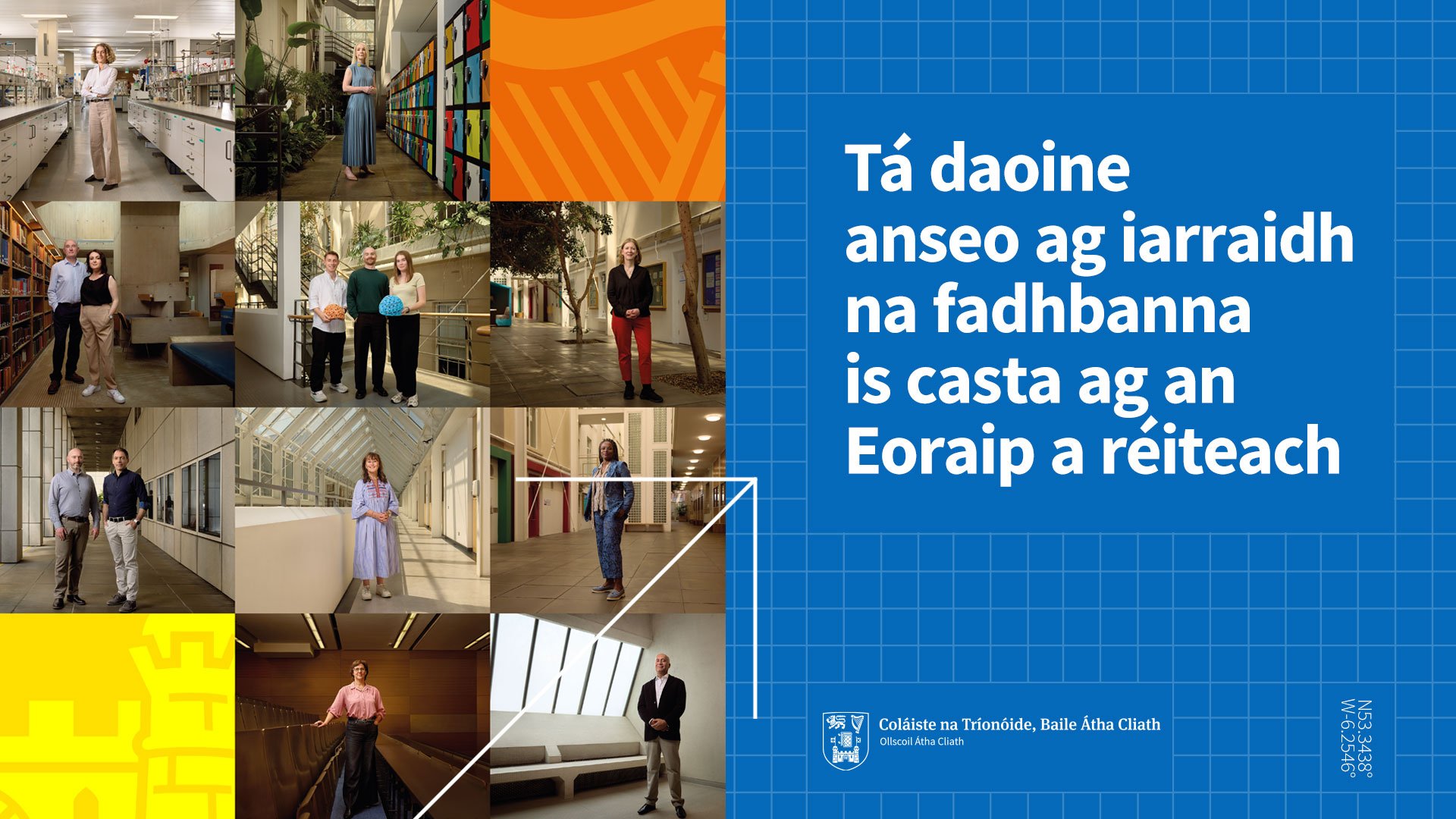
The campus was the medium. Permanent pieces, including an outdoor gallery of the researchers, hold the line for the whole Presidency, while digital screens change with the events calendar.
The proof came from ten research stories, from a blood test for bowel cancer to undersea cables that detect activity in European waters. Each gives a European-sized problem, Trinity's answer in one line and the researcher's name. That's enough to make a passing visitor curious, and enough for Trinity's spokespeople to start conversations with decision-makers.
The work: At a glance
Strategy: research insights, a messaging workshop, the campaign strategy and creative routes
Messaging: core speaking points and proof points for the Provost, academics and other spokespeople to use throughout the Presidency connecting their research work to the EU legislative programme
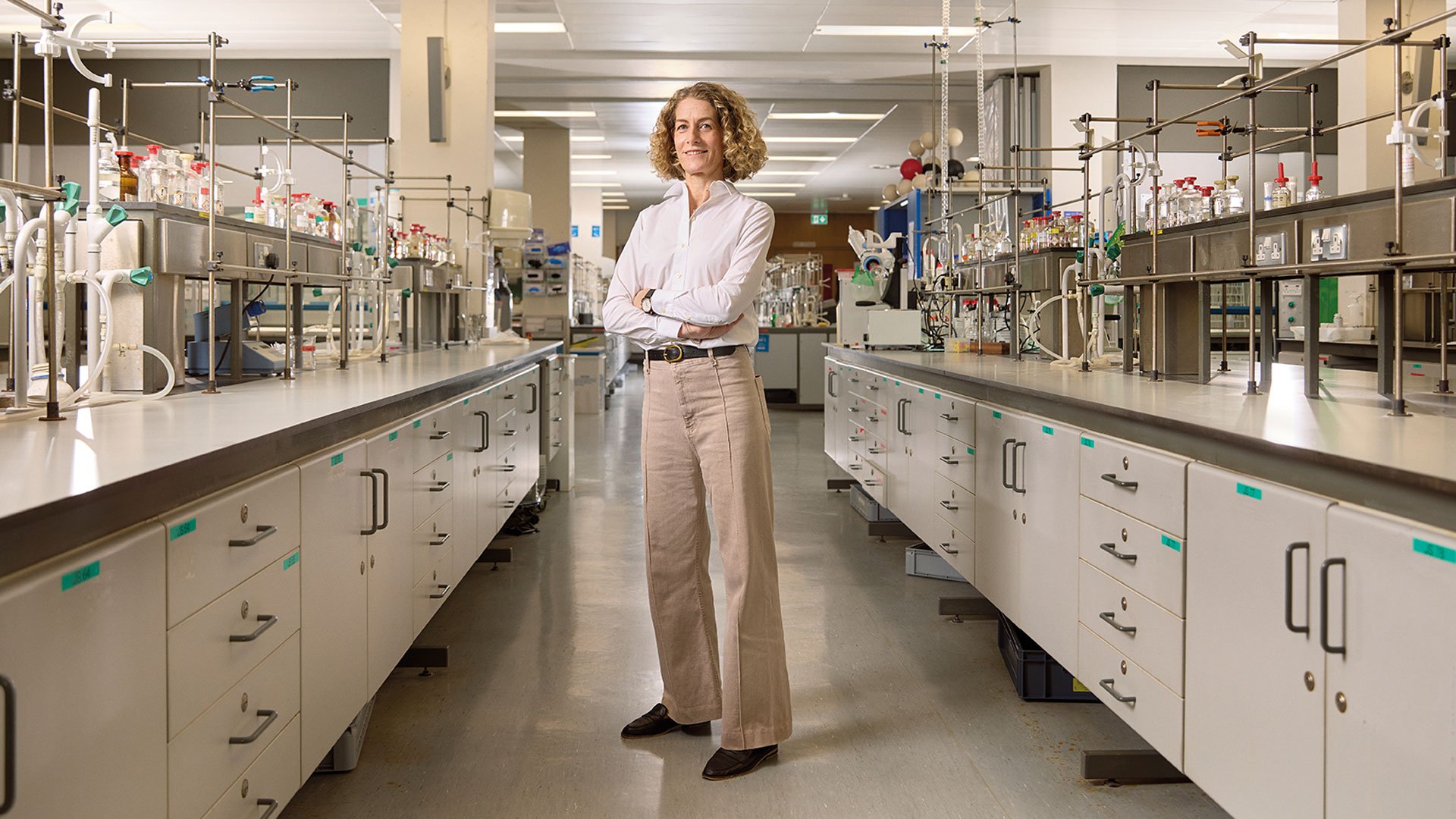
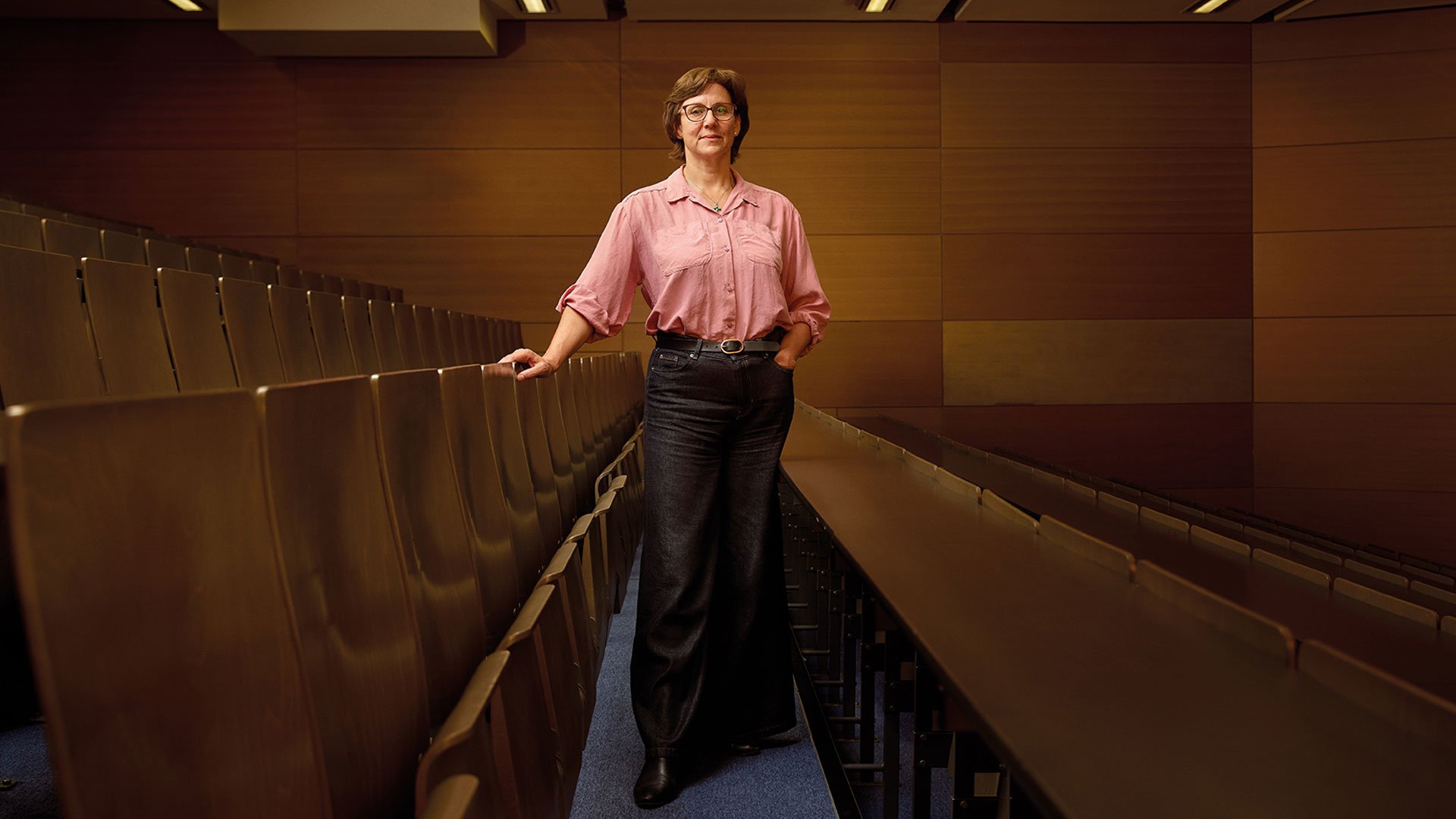
Campus: installations on Front Square, a banner at the Trinity Long Room Hub, a Library window decal, an outdoor gallery of researcher portraits, and a full suite of digital screens across campus with launch and rotating campaign content
Photography: original portraits of ten research teams across two shoot days
Social: carousel posts for each research story, plus short researcher animations
Toolkit: a visual toolkit of templates so Trinity's own team can extend the campaign across the Presidency
The campaign runs on campus until the Presidency ends in December 2026.
In their words
From Áine Griffin, Director of Trinity Communications:
At Trinity, we wanted to seize a significant moment, Ireland's Presidency of the European Union, to demonstrate to our stakeholders just how relevant and vital our research is. At a real inflection point for Europe, we wanted to show that Trinity's expertise has genuine currency, that our researchers are contributing to the big conversations shaping Europe's future, and that our work has a real role to play in informing policy and addressing the challenges ahead.
What changed because of the work you did with Common Good?
The work helped us translate complex research into compelling, accessible stories that connected directly with the European agenda. It allowed us to position Trinity not simply as a centre of academic excellence, but as a university with something timely, important and valuable to contribute.