
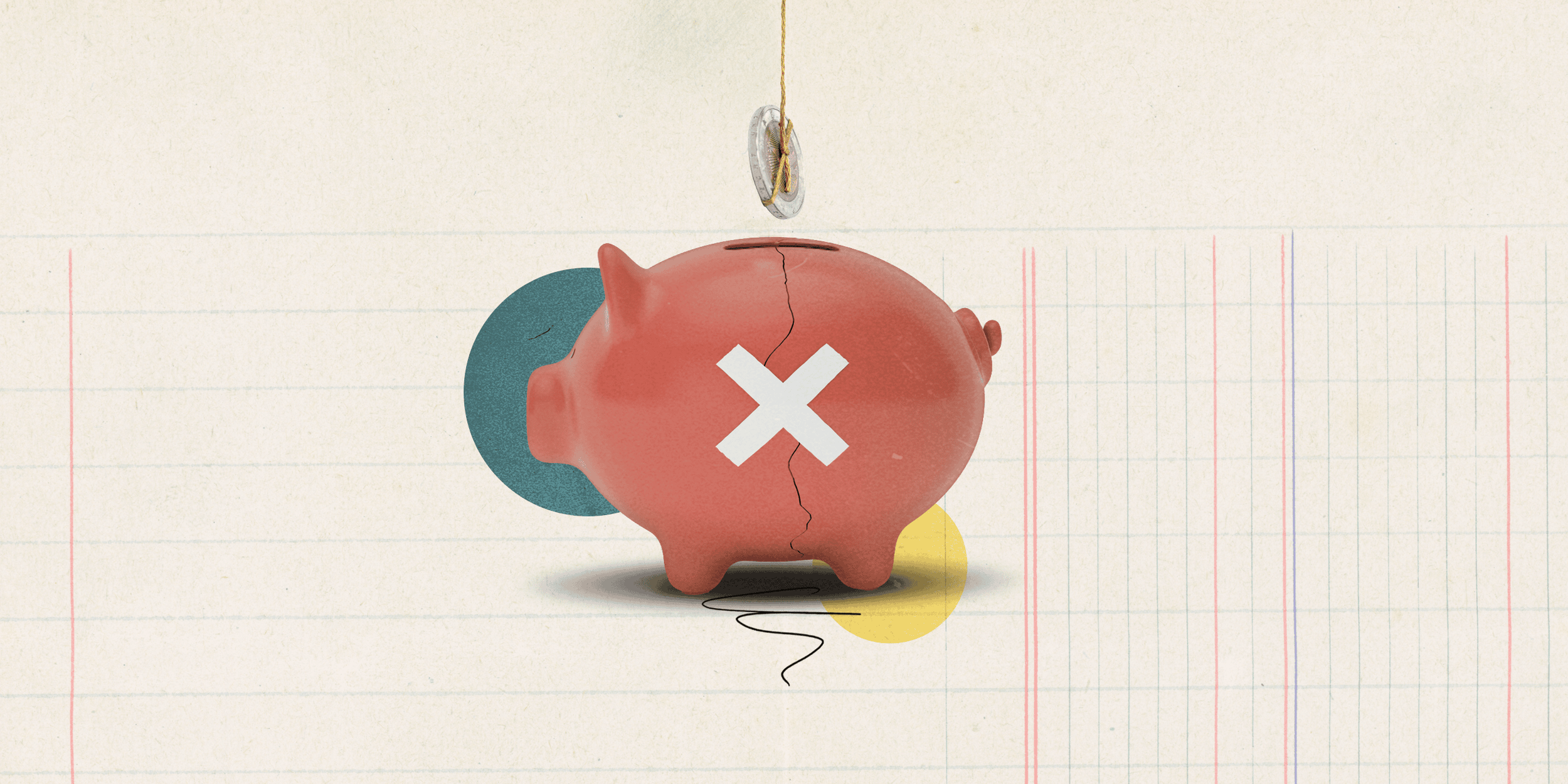
Ahead of Budget 2027, we set out to understand how people in Ireland feel about their money. We drew on national consumer survey data, alongside research from the CSO, Ipsos B&A, CRIF and Deloitte.
The Budget has passed, but the picture hasn’t changed. Most people are careful with money because they have to be, and that shapes how they respond to every brand, bank and public service that talks to them.
The report is for anyone who communicates with Irish consumers about money, from marketers in financial services and retail to communications teams in government departments and state agencies.
What’s in the report
Most people are coping, not comfortable. 63% of households say they are coping with rising prices, and a further one in five are struggling (Ipsos B&A, May 2026).
Caution has become the default. Households saved 12.5% of disposable income in the first quarter of 2026, or €6.6 billion (CSO). Yet 58% plan to cut spending in the year ahead, and 28% are dipping into savings to cover everyday costs (CRIF, June 2026).
Money worries are a mental health issue. Cost of living is the top personal concern for 44% of Gen Z and 63% of millennials in Ireland. More than four in ten in both groups feel stressed all or most of the time (Deloitte, 2026).
People want financial advice but aren’t getting it. 40.1% of adults like the idea of using a financial adviser. Only 22.8% do.
Ireland saves, but the money doesn’t grow. 69.9% of adults save up for what they want, but 67.4% hold no investments of any kind. That’s the gap the new Savings and Investment Account is meant to close.
Digital is the default, but the branch still matters. 69.1% use a banking app regularly, but 57% still visit a branch occasionally, rising among older and lower-income groups.
What it means for communications
The report ends with three takeaways for brands and public bodies. Reassurance will outperform persuasion. Presence over time beats a single moment. And people already want to do the right thing with their money, so the job is to make the next step easier.
